5-alpha-reductase (types 1 and 2)
5-alpha-reductase is a family of enzymes that convert testosterone into the more potent androgen DHT; hair follicles contain the type 2 enzyme, which is the one finasteride blocks.
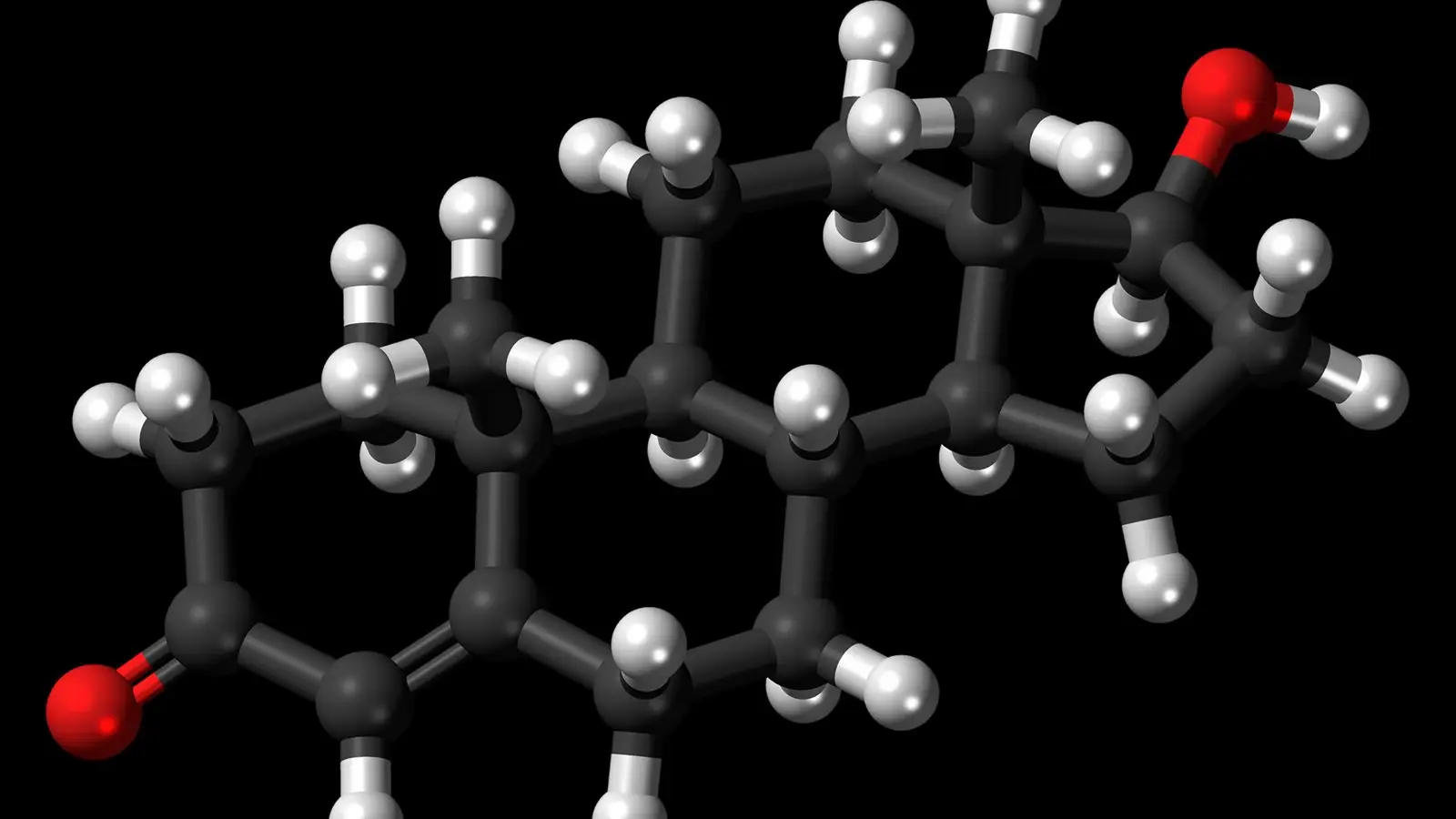
Full definition
5-alpha-reductase is the name for a small family of enzymes that turn testosterone into DHT. Researchers describe three members of the family, and the two that matter for hair loss medicines are type 1 and type 2 (Azzouni 2012). Type 2 was first identified from the human prostate, and it is the enzyme missing in the rare inherited condition 5-alpha-reductase type 2 deficiency, in which male pattern baldness rarely develops. Studies of human skin find both types in the hair follicle and its surrounding structures, with type 1 spread more evenly through the skin. The two medicines that act on these enzymes do so differently, and that is a factual difference in mechanism rather than a statement about results. The Propecia SmPC describes finasteride as "a competitive and specific inhibitor of type II 5α-reductase" and notes that "hair follicles contain type II 5α-reductase". The Avodart SmPC says dutasteride works "by inhibiting both type 1 and type 2" isoenzymes. Finasteride 1 mg is licensed in the UK for male pattern hair loss; dutasteride is licensed for an enlarged prostate and is used off-label for hair loss, as our question page on whether dutasteride is licensed for hair loss explains. Both carry MHRA warnings: finasteride is associated with depression, suicidal thoughts and sexual side effects that may persist after stopping, and dutasteride now carries a precautionary mood warning because the data for it are very limited.
What it does not mean
Blocking two enzyme types rather than one is a difference in mechanism, not evidence that either medicine will work better for any particular person. A "5-alpha-reductase inhibitor" also does not switch testosterone off or act as an anti-androgen: the Propecia SmPC states finasteride has no affinity for the androgen receptor and no androgenic or anti-androgenic effects. It works upstream, on how much DHT is made.
UK regulatory source
Propecia 1 mg SmPC section 5.1 and Avodart 0.5 mg SmPC section 5.1 (eMC, MHRA-approved product information); MHRA Drug Safety Update, 11 May 2026; Azzouni F et al. Adv Urol 2012 (PMID 22235201)