Hair loss conditions Affects men and women
Scarring alopecia: warning signs and why early diagnosis matters
Scarring alopecia is a group of conditions in which inflammation destroys hair follicles and replaces them with scar tissue, so hair that has been lost cannot grow back. Treatment aims to stop further loss, which is why early assessment by a dermatologist matters. WMG Meds does not treat scarring alopecia.
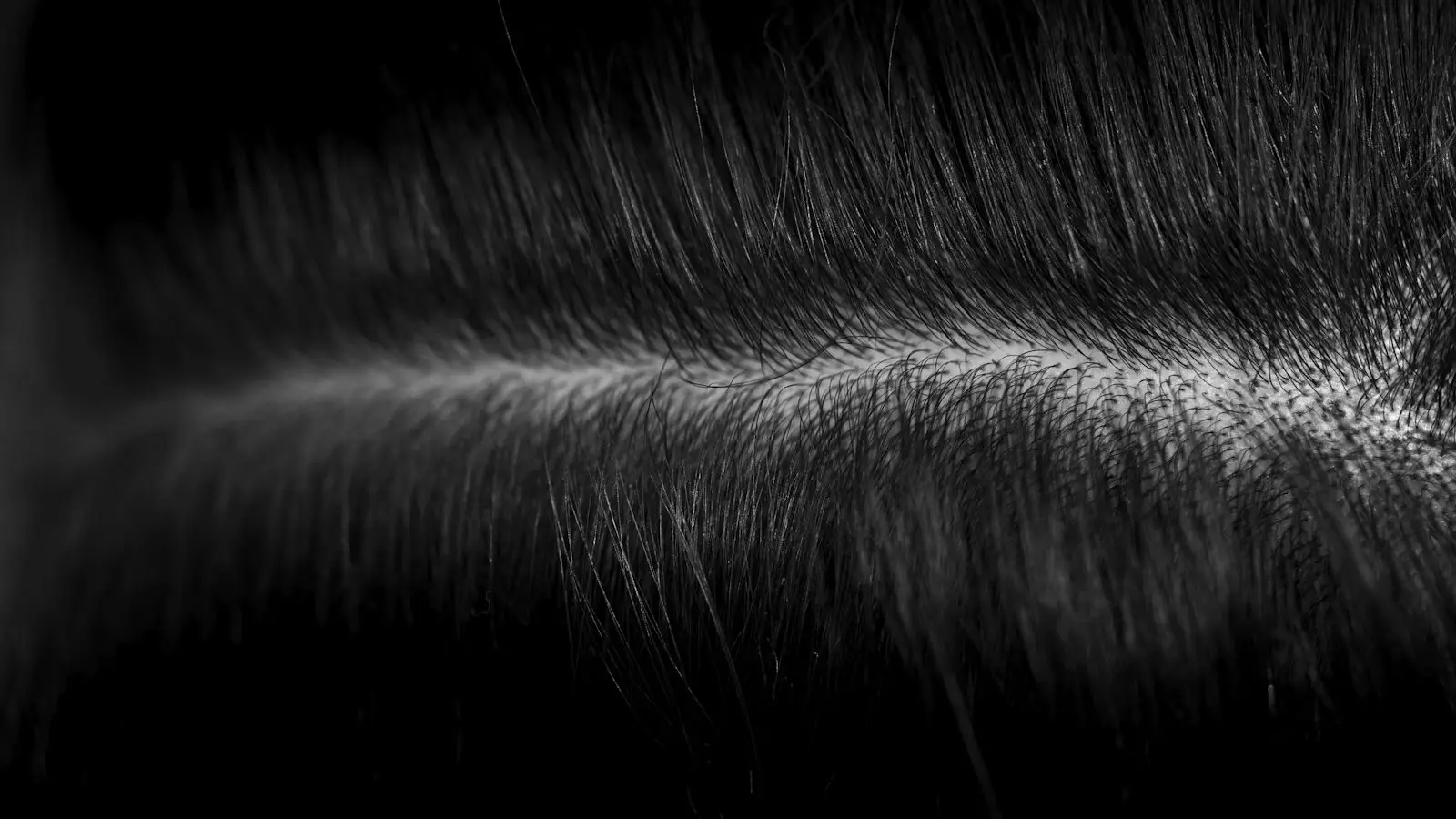
What is scarring alopecia?
Most hair loss is non-scarring: the follicles survive, so hair can regrow. In scarring alopecia (also called cicatricial alopecia), the immune system attacks the follicles and they are replaced by scarring, causing permanent hair loss in the affected area. The main types seen in the UK are described below.
Lichen planopilaris happens when the skin condition lichen planus affects hair-bearing skin. The British Association of Dermatologists (BAD) says it is between 2 and 5 times more common in women than in men and usually affects people aged 40 to 60. It typically causes an itchy, painful, burning or tender scalp, most often on the crown, with redness and scaling around the base of the hairs.
Frontal fibrosing alopecia is thought to be a variant of lichen planopilaris. It occurs mostly in white postmenopausal women, but can also affect premenopausal women, men and people of other ethnicities. The frontal hairline recedes slowly in a band, and hair can also be lost near the ears and from the eyebrows.
Central centrifugal cicatricial alopecia (CCCA) is the most common form of permanent hair loss in women of African descent, usually starting between the ages of 30 and 40. It begins on the top of the scalp and spreads slowly outwards, and hair breakage may be an early sign.
Long-standing traction alopecia, caused by years of tight hairstyles, can also become permanent once follicles are destroyed.
Signs to look for
- An itchy, burning, painful or tender scalp
- Redness and scaling around the base of individual hairs
- Smooth, shiny or paler skin where hair used to be, with no visible hair openings
- A front hairline receding in a band, sometimes with loss of eyebrows
- A patch on the top of the scalp that slowly spreads outwards, sometimes with hair breakage
- Some types cause no symptoms at all, so a change in hairline or a spreading patch is enough to get checked
What causes it
Lichen planopilaris
Immune cells (T-lymphocytes) attack the hair follicle. The cause is unknown, it is not inherited and it cannot be passed to other people.
Frontal fibrosing alopecia
Immune cells attack follicles at the front of the scalp. Genetics, an overactive immune system and possibly hormones are thought to play a part.
Central centrifugal cicatricial alopecia
Likely due to several factors, including genetics. Hot combs, chemical relaxers, tight styles, braids and weaves have been suggested as raising the risk, though not all studies agree.
Long-standing traction
Years of pulling from tight hairstyles can permanently destroy follicles. See traction alopecia.
How it is diagnosed
Scarring alopecia should be diagnosed by a dermatologist. They will examine your scalp closely and usually take a biopsy, a small sample of scalp skin removed under local anaesthetic and examined under a microscope. For lichen planopilaris the BAD says this may involve at least two small samples, and each leaves a small scar.
Photographs or measurements may be taken in clinic to track whether the condition is active and whether treatment is controlling it.
WMG Health offers a scarring alopecia diagnostic, a scalp punch biopsy with a report from a consultant histopathologist, and its page on the signs of scarring alopecia explains what to look for. You can also ask your GP for a referral to an NHS dermatologist.
Treatment options
Every option below has trade-offs, and choosing not to treat is a reasonable decision too. Medicines are only prescribed after a doctor has reviewed your history and confirmed they are suitable for you.
What to expect
Hair that has already been lost to scarring cannot be regrown with medicine. Treatment aims to slow down or halt further loss and control symptoms such as itch and pain. The BAD says success is variable, and some people do not find a treatment that works for them.
There is some reassurance: the BAD says lichen planopilaris and frontal fibrosing alopecia often become inactive over time. The earlier inflammation is controlled, the more hair there is left to protect, which is the main reason to see a dermatologist without delay.
Support helps too. The BAD suggests joining a hair loss support group and being sceptical of online remedies that promise quick results.
When to see a doctor promptly
See your GP soon, rather than waiting or self-treating, if you notice any of these:
- Hair loss with itching, burning, pain or tenderness of the scalp
- Redness or scaling around the base of the hairs
- Smooth, shiny bald areas where hair used to be
- A receding front hairline or loss of eyebrows, especially after the menopause
- A bald patch on the crown that is slowly getting bigger
Where to get help
WMG Meds does not treat scarring alopecia with medication. It needs diagnosis by a dermatologist, usually with a biopsy, and specialist treatment that our online service cannot provide.
If you have any of the signs on this page, see your GP and ask for a referral to dermatology, or see a private dermatologist. WMG Health offers a scarring alopecia diagnostic (a scalp biopsy) if you want a histopathology diagnosis privately. For support, Alopecia UK (alopecia.org.uk) offers information for all types of hair loss.
Pattern hair loss can sometimes occur alongside frontal fibrosing alopecia. If your dermatologist has confirmed that and is happy for you to treat the pattern thinning, our assessment can look at it. Please tell the doctor about your scarring diagnosis and treatment. You can read about female pattern hair loss to understand the difference.
Frequently asked questions
Can hair grow back after scarring alopecia?
Not in areas where the follicles have been destroyed. Treatment aims to stop further hair loss and protect the hair you still have, which is why early diagnosis matters. Lichen planopilaris and frontal fibrosing alopecia often become inactive over time.
How is scarring alopecia diagnosed?
A dermatologist examines your scalp and usually takes a biopsy: a small sample of skin removed under local anaesthetic and examined under a microscope. It leaves a small scar. WMG Health offers a private scalp biopsy diagnostic, or your GP can refer you.
Who gets frontal fibrosing alopecia?
The BAD says it occurs mostly in white postmenopausal women, but it can also affect premenopausal women, men and people of other ethnicities. The front hairline recedes slowly in a band, and the eyebrows are often affected.
Can I have a hair transplant?
Possibly, but only once the condition has been stable for a number of years, and only privately; it is not available on the NHS. The BAD warns that the disease can sometimes recur in the transplanted area.
Is scarring alopecia hereditary?
It depends on the type. The BAD says lichen planopilaris is not inherited, and frontal fibrosing alopecia is not an inherited condition though it occasionally affects several people in a family. In central centrifugal cicatricial alopecia, studies have found a genetic link in some people.
Sources
- British Association of Dermatologists: Lichen planopilaris, patient leaflet
- British Association of Dermatologists: Frontal fibrosing alopecia, patient leaflet
- British Association of Dermatologists: Central centrifugal cicatricial alopecia, patient leaflet
- NICE CKS: Alopecia areata (scarring versus non-scarring hair loss)
Facts checked against these sources on 4 October 2026. This page is general information, not a diagnosis. Read our editorial policy.